The New Rules
The federal government has introduced new regulations to control the use of engineered stone in building construction. The new rules, which came into effect on January 1, aim to reduce the environmental impact of the material. Engineered stone, also known as manufactured stone, is a composite material made from natural stone and resin.
The Hidden Dangers of Engineered Stone
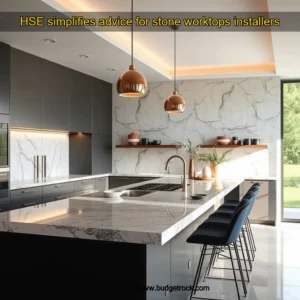
Engineered stone, also known as quartzite or quartz, is a popular choice for countertops, flooring, and other surfaces due to its durability and aesthetic appeal. However, the manufacturing process of engineered stone can pose significant health risks to workers and individuals who handle the material.
The Source of the Problem
The primary source of the silica dust is the grinding and polishing process, which involves using high-speed machinery to break down the stone into smaller particles. This process can create a cloud of fine silica dust that can be inhaled, posing a significant risk to lung health.
How Silica Dust is Created
The Australian government has since taken steps to regulate the exposure to silica dust in the workplace.
The Hidden Dangers of Silica Dust
Silica dust is a common occupational hazard that poses significant risks to workers’ health. The dangers of silica dust are often underestimated, but the consequences can be severe.
What is Silica Dust? Silica dust is a fine powder that is created when sand, quartz, or other minerals are ground or crushed into smaller particles.
Counterfeit goods are flooding into Australia, prompting a ban on engineered stone imports.
The Background of the Ban
The ban was introduced as part of the Australian Government’s efforts to address the growing problem of counterfeit goods in the country. According to the Australian Competition and Consumer Commission (ACCC), the importation of counterfeit goods has been increasing in recent years, with the ACCC estimating that over 10% of imported goods are counterfeit. The ACCC has been working closely with the Australian Border Force to identify and seize counterfeit goods, but the sheer volume of imports has made it difficult to keep up.
The Impact on the Industry
The ban has had a significant impact on the engineered stone industry, with many manufacturers and suppliers facing financial difficulties. The ban has also affected consumers, who are now forced to seek out alternative materials for their benchtops and other applications. Some consumers have expressed frustration at the lack of transparency and communication from the government and industry leaders about the ban. Key points to consider:
The Alternative Materials
In response to the ban, many manufacturers are now turning to alternative materials for their products. Some of the alternatives include:
These materials offer a range of benefits, including durability, sustainability, and aesthetic appeal.
The ban was implemented in 2020, and it has been in effect for two years now.
The History of Silica in Engineered Stone
Engineered stone, also known as quartzite or quartz, has been a popular choice for countertops, flooring, and other decorative purposes. The material is composed of a combination of natural quartz and resin, which provides durability and resistance to scratches and stains.
He was devastated by the news, but he knew he had to take action.
Understanding Silicosis
Silicosis is a serious lung disease caused by the inhalation of crystalline silica particles. These particles can be found in various forms, including quartz, cristobalite, and tridymite.
“On a busy day we couldn’t see each other it was that dusty,” Ben recalls of his work cutting the benchtops. Do you have a story tip? Email: newsroomau@yahoonews.com.

news is a contributor at BudgetRock. We are committed to providing well-researched, accurate, and valuable content to our readers.