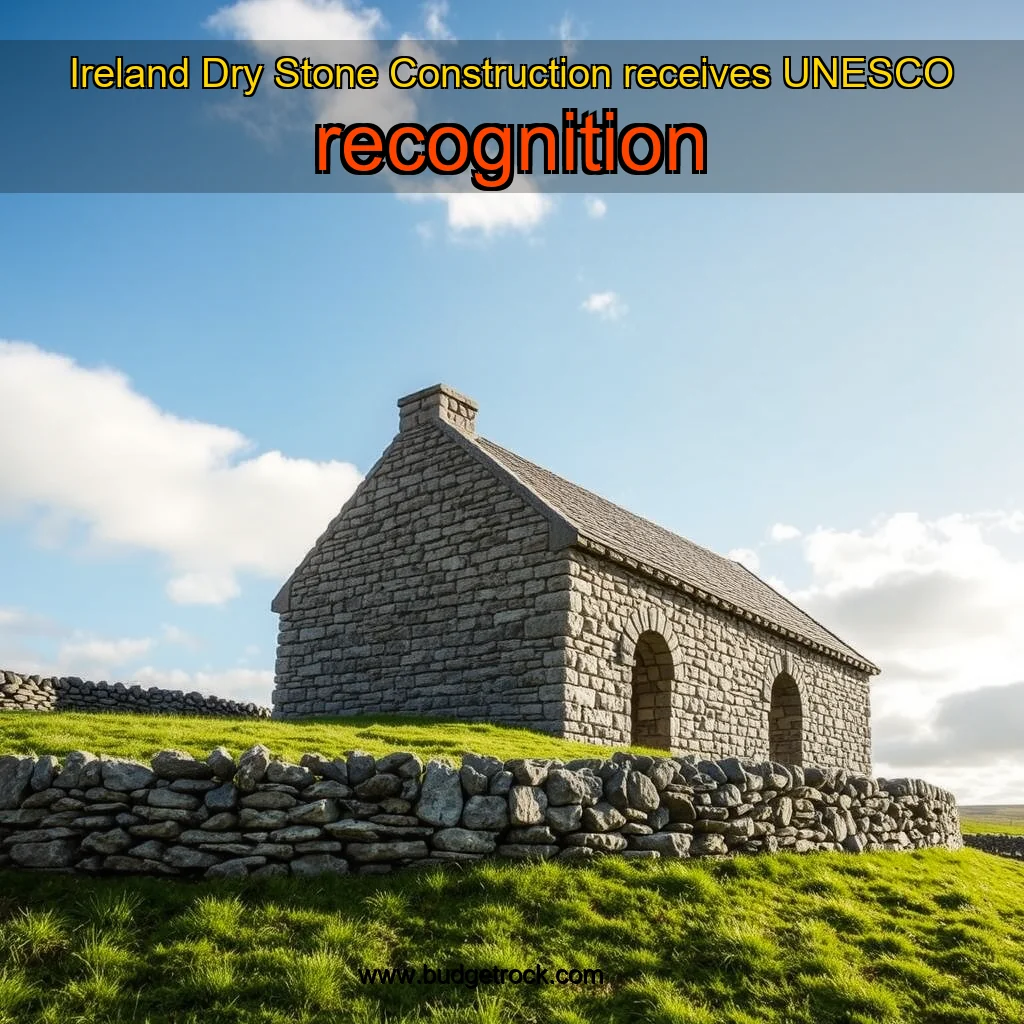
This recognition is a testament to the skill and craftsmanship of Ireland’s stonemasons, who have been perfecting the art of dry stone construction for centuries.
The Origins of Dry Stone Construction
Dry stone construction is an ancient technique that has been used for centuries in Ireland and other parts of the world. The practice involves building structures using stones that are not held together with mortar or other binding agents. Instead, the stones are carefully selected and arranged to create a stable and durable structure. The origins of dry stone construction are unclear, but it is believed to have originated in the Middle Ages in Ireland. The technique was initially used for building walls, but it soon spread to other areas such as bridges, churches, and castles. The use of dry stone construction was influenced by the country’s rugged landscape and the need for durable and long-lasting structures. The technique was also influenced by the country’s rich cultural heritage, with many of Ireland’s ancient monuments and castles featuring dry stone construction.
The Art of Dry Stone Construction
Dry stone construction is an art form that requires great skill and craftsmanship. The process involves selecting and arranging stones of varying sizes and shapes to create a stable and durable structure.
Recognizing the World’s Cultural Heritage, One Tradition at a Time.
The UNESCO Representative List of the Intangible Cultural Heritage of Humanity
The UNESCO Representative List of the Intangible Cultural Heritage of Humanity is a prestigious list of intangible cultural elements that have been recognized by the United Nations Educational, Scientific and Cultural Organization (UNESCO). These elements are considered to be of outstanding universal value and are recognized for their importance to human culture and society.
The Criteria for Selection
To be selected for the list, intangible cultural elements must meet certain criteria. These criteria include:
The List of Recognized Elements
The UNESCO Representative List of the Intangible Cultural Heritage of Humanity currently includes over 500 elements from more than 100 countries.
This ancient technique has been used for centuries to create structures such as walls, fences, and even buildings. Dry stone walling is a labor-intensive process that requires great skill and patience, but the results are well worth the effort.
History of Dry Stone Walling
Dry stone walling has a rich history that spans thousands of years. The earliest recorded use of dry stone walling dates back to the Neolithic period, around 4000 BC. During this time, people used stone to create walls for their homes and farms. As civilizations developed, so did the techniques and designs of dry stone walling. The ancient Greeks and Romans used dry stone walling to build impressive structures such as temples and aqueducts.
Dry Stone Construction is Ireland’s fifth inscription on the UNESCO Representative List.

news is a contributor at BudgetRock. We are committed to providing well-researched, accurate, and valuable content to our readers.