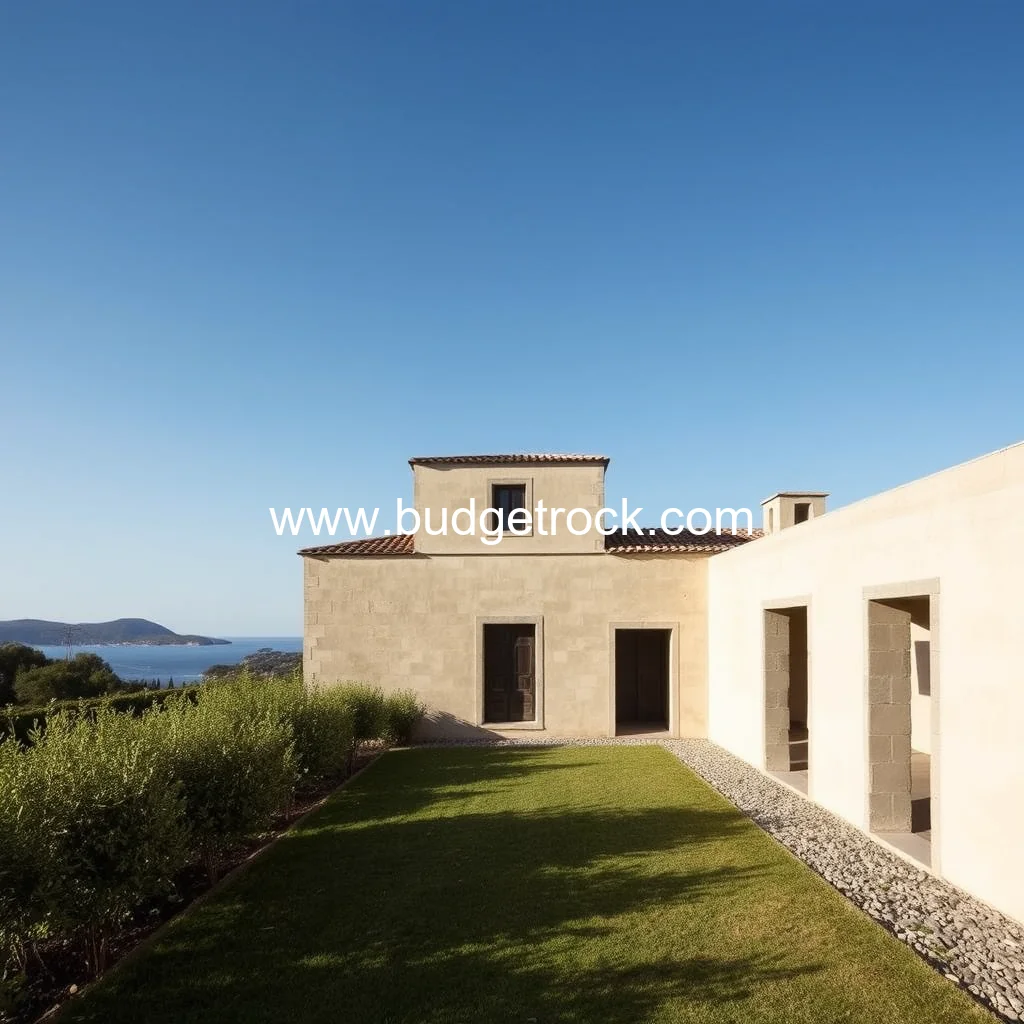
The Project: A New Vision for a Historic Building
The redevelopment of the former Mascia House in Simala, Sardinia, is a project that showcases the innovative approach of architect Martino Picchedda. The building, which was originally constructed in the 19th century, has been transformed into a unique public space that combines the charm of a private residence with the functionality of a public square and exhibition area.
The Challenge of Preserving History
One of the primary challenges in this project was preserving the historic integrity of the building while also creating a new and innovative space. The original Mascia House was a beautiful example of Sardinian architecture, with its characteristic stone façade and ornate details. However, the building had fallen into disrepair, and it was essential to restore it to its former glory while also incorporating modern elements to make it functional and accessible.
The Design Process
Martino Picchedda’s design process involved a thorough analysis of the building’s history and its relationship with the surrounding environment. The architect worked closely with local authorities and preservation experts to ensure that the restoration was carried out in a way that respected the building’s heritage. The design also incorporated a range of sustainable features, including solar panels and rainwater harvesting systems, to minimize the building’s impact on the environment.
The Result: A Unique Public Space
The result of the redevelopment is a unique public space that combines the charm of a private residence with the functionality of a public square and exhibition area. The building’s original façade has been preserved, and the interior has been transformed into a spacious exhibition area with a range of display cases and interactive exhibits.
The design incorporates a series of interconnected courtyards, each with its own unique character and charm. These courtyards are designed to be flexible and adaptable, allowing for a variety of activities and uses.
The Timeless Quality of Ruins
The design of the public space is inspired by the timeless quality of ruins, evoking a sense of history and nostalgia. The historic walls, which remain intact, serve as a reminder of the past, while the new permeable courtyard flooring respects natural drainage and creates a sense of connection to the earth. The use of natural materials and textures adds to the sense of timelessness, creating a space that feels both ancient and modern.
The Courtyards
The design incorporates a series of interconnected courtyards, each with its own unique character and charm. Some courtyards may be used for public events, while others may be reserved for quiet contemplation or relaxation. The courtyards are designed to be easily accessible, with gentle slopes and wide pathways that encourage exploration and discovery. Key features of the courtyards include: + Natural drainage systems + Flexible and adaptable design + Variety of activities and uses + Gentle slopes and wide pathways
The Integration of Nature
The design incorporates elements of nature, such as plants and trees, to create a sense of harmony and balance.
The Transformation of a Historic Sardinian Residence
In the heart of Sardinia, a historic residence has undergone a remarkable transformation, turning into a public exhibition space that showcases the island’s rich cultural heritage. The project, led by architect Martino Picchedda, aimed to preserve the building’s original character while incorporating modern elements to create a unique and engaging space.
The Building’s History and Significance
The residence, located in the town of Cagliari, dates back to the 19th century and was once the home of a prominent Sardinian family. The building’s architecture reflects the island’s unique blend of Mediterranean and Italian influences, with a mix of stone, wood, and ornate decorations. Over the years, the property has undergone various transformations, but its historical significance has remained intact.
The Design Process
Architect Martino Picchedda carefully selected the material palette to enhance the site’s historical resonance. He chose a combination of natural materials, such as stone, wood, and terracotta, to create a warm and inviting atmosphere. The design process involved a thorough analysis of the building’s original structure and layout, as well as its surroundings.
The Concept Behind Recovery of a Ruin
The project, led by architect Martino Picchedda, reimagines a historic Mascia House in Italy as a public exhibition space. This renovation transforms the building’s original purpose, turning it into a space for art, culture, and community engagement. The concept is rooted in the idea of preserving and reinterpreting the past, while also embracing the present and future.
The Use of Ecological Materials
One of the key features of the project is the use of ecological lime-based materials for the walls. These materials are not only environmentally friendly but also provide a unique aesthetic experience. The walls are treated with a natural lime-based coating, which creates a subtle, nuanced texture that adds depth and visual interest to the space. The use of ecological materials is a deliberate choice, reflecting the architect’s commitment to sustainability and environmental responsibility.
Grandiose Baroque Architecture in Sardinia’s Heartbeat.
The History of the Mascia House
The Mascia House, located in Cagliari, Sardinia, Italy, has a rich history dating back to the 18th century. The house was built in 1750 by the wealthy Mascia family, who were prominent in the region’s textile industry. The family’s wealth and influence allowed them to commission a grandiose building that reflected their status.
Architectural Style
The Mascia House is an exemplary representation of the Baroque style, which was popular in Sardinia during the 18th century. The building’s design features a mix of elements, including:
Preservation and Restoration
In the 20th century, the Mascia House was threatened by urban development and neglect. However, in the 1990s, a group of local residents and historians came together to form a committee dedicated to preserving the building’s architectural heritage.

news is a contributor at BudgetRock. We are committed to providing well-researched, accurate, and valuable content to our readers.