Stone Construction: Affordable Durability Without Compromise
Stone construction offers a timeless blend of beauty and resilience, yet many assume it comes with exorbitant costs. For budget-conscious builders, however, strategic planning and resourcefulness can transform seemingly expensive projects into financially savvy investments.
This guide explores advanced techniques and practical wisdom to achieve durable stonework without financial strain. Whether you’re building walls, patios, or foundations, the following insights empower you to leverage stone’s strengths effectively—without overspending.
The Art of Material Selection: Balancing Cost and Quality
Selecting the right stone is the cornerstone of any successful construction project. Natural stones like granite, limestone, and sandstone vary widely in price, hardness, and aesthetic appeal. Understanding these differences ensures your choice aligns with both your budget and functional goals.
Limestone, for example, often ranks among the most affordable options due to its abundance and ease of shaping. However, its susceptibility to acid rain may limit its use in certain climates. Conversely, granite commands a premium but offers unmatched longevity and resistance to weathering.
- Research regional availability to minimize transportation costs and support local suppliers.
- Consider recycled or repurposed stone for cost-effective, eco-friendly solutions.
Traditional Techniques Meet Modern Efficiency
While traditional masonry relies on mortar and precise cutting, modern tools and methods streamline the process without compromising structural integrity. Adopting hybrid approaches can cut labor hours and material waste dramatically.
Dry-stacking, a centuries-old technique, eliminates the need for mortar entirely. When executed correctly, this method creates stable structures that drain water efficiently—a critical factor in regions prone to freezing temperatures or heavy rainfall.
Mortar-based construction remains ideal for load-bearing applications, but high-performance cement mixtures now allow for thinner joints and faster curing times. These innovations reduce overall material usage and labor duration compared to conventional methods.
Crafting Foundations That Stand the Test of Time
A strong foundation is non-negotiable in stone construction, regardless of whether you’re working on retaining walls, driveways, or buildings. Proper preparation prevents cracks, settling, and long-term instability.
Excavation depth must account for soil conditions and groundwater levels. In clay-heavy areas, deeper footings paired with drainage systems mitigate expansion risks caused by moisture absorption.
Trench compaction is equally vital. Using gravel layers beneath the base enhances stability and allows water to flow away from the structure. Compact the ground meticulously with a plate compactor to eliminate voids.
Cost-Saving Strategies for Every Stage of the Project
Budget constraints don’t have to hinder ambitious stonework projects. By implementing targeted cost-saving measures at each phase—from procurement to execution—you can significantly trim expenses without sacrificing quality.
Purchase materials in bulk whenever possible. Bulk buyers often secure lower prices, especially for quarried stone and cement products. Coordinate with neighbors on similar projects to split delivery fees and increase bargaining power with suppliers.
Hiring seasonal laborers presents another avenue for savings. Many skilled workers offer discounted rates during slower seasons, particularly in regions with distinct construction cycles tied to weather patterns.
The Role of Design in Maximizing Value
Elegant design doesn’t always demand extravagant spending. Thoughtful layout planning and clever use of space can create visually striking results while minimizing material use and labor demands.
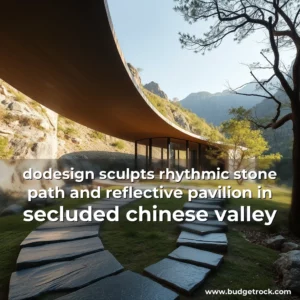
Incorporate natural curves rather than rigid angles where feasible. Curved walls and pathways require fewer cuts, reducing both time spent on fabrication and the risk of errors during assembly.
Use varying stone sizes strategically. Larger blocks form the framework, while smaller pieces fill gaps seamlessly. This approach reduces the need for specialized cuts and promotes a rustic, handcrafted appearance at little additional cost.
Tools and Equipment: Investing Wisely
High-quality tools yield superior results, but selecting the right equipment requires balancing initial outlay with long-term value. Prioritize versatility and durability to justify higher upfront costs.
Saw blades designed for hard materials last longer and produce cleaner edges, saving time and replacement costs. Opt for diamond-tipped blades for concrete or quartzite, and carbide-tipped blades for softer stones like limestone.
Wet saws remain indispensable for precision work, but portable alternatives exist for small-scale projects. Renting instead of purchasing can be cost-effective for infrequent users who still want access to essential machinery.
Maintaining Your Stone Structures: A Frugal Perspective
Proper upkeep extends the life of your stonework and preserves its visual appeal. Routine maintenance requires minimal effort but pays dividends in preventing costly repairs down the road.
Seasonal inspections catch issues early. Look for loose stones, signs of erosion, or vegetation encroaching on seams. Address minor problems promptly to avoid them escalating into full-scale restoration efforts.
Cleaning should follow gentle protocols to preserve stone integrity. Use mild soap and water for routine dirt removal, reserving stronger cleaners for stubborn stains. Always test new products on inconspicuous areas first.
Case Studies: Real-World Applications of Budget-Friendly Stonework
Learning from successful projects provides invaluable insight into applying theory practically. Here are three examples demonstrating how creativity meets economy in stone construction:
Project #1: Retaining Wall Revival. A homeowner used salvaged flagstones from a demolished barn to build a curved retaining wall. Minimal cutting was required, and the result blended harmoniously with native landscaping features.
Project #2: Community Garden Pathways. Local volunteers constructed winding paths using crushed river rock and volunteer labor. The project utilized leftover materials from nearby infrastructure upgrades, keeping costs nearly nonexistent.
Project #3: Eco-Conscious Driveway. Builders combined permeable pavers with compacted gravel beds, creating a driveway that manages stormwater naturally while maintaining a polished look through thoughtful stone arrangement.
Common Pitfalls and How to Avoid Them
Even experienced builders encounter challenges when working with stone. Recognizing frequent missteps helps preemptively address potential issues before they become expensive fixes.
Overcutting is a prevalent error stemming from rushed measurements or inadequate templates. Take extra care when marking dimensions, double-checking calculations across multiple axes before making irreversible cuts.
Improper joint spacing leads to uneven pressure distribution, increasing the likelihood of cracks forming over time. Maintain consistent gaps according to recommended guidelines for your chosen stone type and application.
Leveraging Technology for Precision and Planning
Modern technology simplifies complex aspects of stonework, enabling greater accuracy and reducing guesswork. Integrating digital tools into your workflow boosts productivity without requiring significant capital investment.
Digital modeling software allows virtual testing of designs before physical implementation. This capability identifies potential flaws in layout or structural support, allowing adjustments ahead of time.
Augmented reality apps provide interactive previews of how completed projects will appear in situ. This feature proves particularly useful for landscape installations where spatial relationships play a critical role in aesthetics and functionality.
Community Resources and Networking Opportunities
Engaging with fellow enthusiasts expands knowledge while uncovering hidden opportunities for collaboration and shared resources. Building connections opens doors to mentorship, group buys, and collective problem-solving sessions.
Local Masonry Associations frequently host workshops covering topics ranging from basic tool operation to advanced architectural detailing. Attendance usually includes access to discounted supplier networks exclusive to members.
Online Forums enable global interaction around specific questions or challenges. Platforms dedicated to sustainable building practices often feature threads discussing innovative ways to reuse existing stone materials economically.
Embracing Imperfection: The Beauty of Handcrafted Work
Perfectionism can lead to unnecessary expenditures in pursuit of flawless symmetry. Appreciating subtle irregularities adds character and authenticity that machine-cut finishes rarely replicate.
Variations in color intensity enhance natural textures, making each piece uniquely identifiable. Rather than viewing these discrepancies negatively, embrace them as markers of genuine craftsmanship.
Asymmetrical placements break up monotony and create dynamic focal points within larger compositions. Carefully planned randomness introduces visual interest without demanding uniformity impossible to achieve affordably.
Conclusion
Stone construction need not be synonymous with excessive expenditure. Through mindful material selection, judicious use of resources, and creative problem-solving, remarkable structures emerge from modest budgets.
By adopting the strategies outlined in this guide, you gain control over every aspect of your project—from conception through completion. Remember, true mastery lies not merely in what we build, but how wisely we choose our path forward.

news is a contributor at BudgetRock. We are committed to providing well-researched, accurate, and valuable content to our readers.