The consultation aims to gather information on the potential risks associated with engineered stone and to identify the necessary measures to mitigate those risks.
Understanding the Risks of Engineered Stone
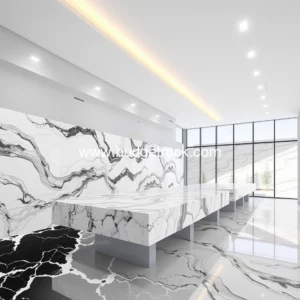
Engineered stone, also known as quartzite or quartz composite, is a manufactured material made from a combination of natural quartz and resin. It is often used in construction and renovation projects, particularly for its durability and aesthetic appeal. However, the production process of engineered stone can pose health risks to workers, including accelerated silicosis.
The Dangers of Silica Exposure
Silica, also known as silicon dioxide, is a common component of engineered stone. When workers are exposed to silica dust during the production process, it can cause serious health problems, including accelerated silicosis. Accelerated silicosis is a type of occupational disease that can develop rapidly, often within a few years of exposure. Key symptoms of accelerated silicosis include:
- Shortness of breath
- Coughing
- Chest pain
- Fatigue
- Weight loss
- Environmental Impact: Engineered stone is made from a combination of natural stone and resin, which can lead to the release of volatile organic compounds (VOCs) and other pollutants into the environment. Health Risks: The use of engineered stone has been linked to various health problems, including respiratory issues, skin irritation, and even cancer. Fire Risk: Engineered stone can be prone to ignition and spread of fire, which can lead to devastating consequences in the event of a fire. ## The Australian Approach**
The Impact on Workers
The risks associated with engineered stone are not limited to workers in the production process. Workers who handle engineered stone products, such as installers and fabricators, may also be exposed to silica dust. This can lead to a range of health problems, including accelerated silicosis.
However, Australia has taken a more comprehensive approach to address the potential risks associated with engineered stone.
The Background
Engineered stone, also known as manufactured stone or quartzite, is a type of composite material made from a combination of natural stone and resin. It is often used in construction and design projects due to its durability, low maintenance, and aesthetic appeal. However, the use of engineered stone has raised concerns about its potential environmental and health impacts.
The Risks
The Australian Approach
Australia has taken a comprehensive approach to address the potential risks associated with engineered stone.
Regulatory Response Options
Ms van Velden is consulting on the full spectrum of possible regulatory responses to the recent concerns surrounding the use of certain chemicals in the production of e-cigarettes. As a leading expert in the field, she is providing guidance on the various options available to regulatory bodies to address these concerns. In this article, we will explore the different regulatory response options that Ms van Velden is consulting on, and examine the potential implications of each.
Option 1: Voluntary Industry Guidelines
One of the options being considered is the development of voluntary industry guidelines.
However, when it’s cut, drilled, or sanded, it can release hazardous particles into the air.
Safety Concerns with Engineered Stone
Engineered stone is made from a combination of natural stone and resin, which is a mixture of polymers and other additives. When this material is processed, it can release volatile organic compounds (VOCs) and other hazardous particles into the air. These particles can cause respiratory problems, allergic reactions, and other health issues. The main concern with engineered stone is the release of fine particles, which can be inhaled deep into the lungs. The particles can also cause skin irritation and allergic reactions.
Background
The Ministry of Business, Innovation & Employment (MBIE) is seeking feedback on its work with engineered stone and materials containing crystalline silica. This consultation is an opportunity for stakeholders to provide input on the MBIE’s efforts to address the health and safety risks associated with these materials.
What are Engineered Stone and Materials Containing Crystalline Silica? Engineered stone and materials containing crystalline silica are commonly used in construction and manufacturing. These materials are made from a combination of natural stone, resin, and other additives.
WorkSafe guidance is found here: Health information for PCBUs in the engineered stone industry | WorkSafe

news is a contributor at BudgetRock. We are committed to providing well-researched, accurate, and valuable content to our readers.