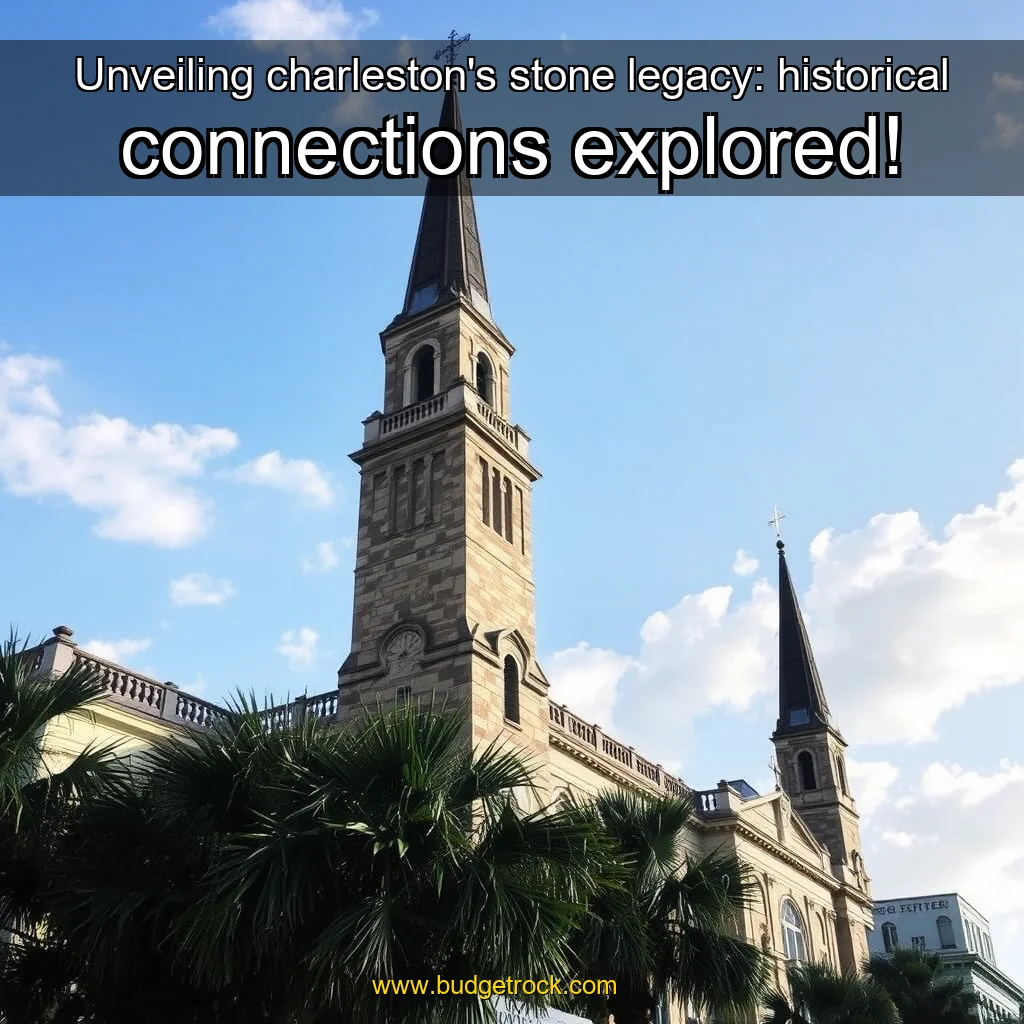
The settlement was later renamed to Charles Town in 1680. The city’s strategic location on the Atlantic coast made it an attractive location for trade and commerce.
The Rise of Charleston
Charleston’s early history was marked by its role as a major port city. The city’s location on the Atlantic coast made it an ideal location for trade and commerce. The port city was a hub for the importation of goods from Europe and the Caribbean, and it played a significant role in the development of the American colonies. The city’s strategic location made it a key player in the transatlantic slave trade. Charleston was also a major center for the production of cotton, rice, and indigo.
The Geology of Bermuda
Bermuda is a small island nation located in the North Atlantic Ocean, known for its pink-sand beaches, clear turquoise waters, and rich history. But beneath its picturesque surface, Bermuda has a fascinating geology that has shaped the island’s unique landscape.
The Concept Behind the Exhibition
The exhibition, titled “The Charleston Renaissance,” is a celebration of the city’s rich cultural heritage and its transformation into a hub of artistic and architectural innovation during the 19th century. The show is centered around the idea that Charleston, South Carolina, was a city of rebirth and renewal, where the old and the new coexisted in a vibrant and eclectic mix of styles. The exhibition features a range of artifacts, including furniture, decorative arts, and architectural models, that showcase the city’s unique blend of neoclassical, Gothic, and Victorian styles. The show also includes a selection of artworks by local and international artists, including paintings, prints, and sculptures, that reflect the city’s cultural and artistic heritage. The exhibition is divided into several sections, each focusing on a different aspect of Charleston’s cultural and artistic development, including its role in the American Civil War, its growth as a major port city, and its transformation into a center of artistic and architectural innovation.
The Curatorial Team
The exhibition was curated by Deborah Atwood, NMB curator, and the NMB curatorial team, with the support of Justin Schwebler, property manager at the Historic Charleston Foundation. The curatorial team worked closely with John Gardner, architect and artist, to create an exhibition that would showcase the city’s rich cultural heritage and its transformation into a hub of artistic and architectural innovation.
His work is characterized by a sense of balance and harmony, which is achieved through the use of color, texture, and form.
The Artistic Vision of Gardner
Gardner’s artistic vision is deeply rooted in his understanding of the human experience. He believes that art should be a reflection of the world around us, and that it should evoke emotions and spark imagination.
He also used a technique called “drypoint” to create the drawings. The charcoal sticks were made from the wood of the cedar tree, which is native to Bermuda. This unique material was chosen by Gardner for its durability and resistance to wear and tear. The drypoint technique involves using a sharp point to scratch the charcoal onto the paper, creating a range of tonal values and textures. This technique allows for a high degree of expressiveness and control over the final image.
The Art of Gardner’s Triptych
Gardner’s Triptych is a series of 24 charcoal drawings that showcase his unique artistic style and technique. The series is divided into two parts: nine drawings based on Bermuda and 15 based on Charleston.
Exploring the vastness of space and time through a comprehensive and immersive experience. ## The Exhibition:
The Exhibition: A Journey Through Time and Space
The exhibition, titled “Cosmic Odyssey,” is a comprehensive and immersive experience that takes visitors on a journey through the vast expanse of space and time.
• The National Museum of Bermuda is open every day except December 25. From 9am to 5pm weekdays and from 9.30am to 5pm on weekends

news is a contributor at BudgetRock. We are committed to providing well-researched, accurate, and valuable content to our readers.