The Benefits of Making Pizza from Scratch
Making pizza from scratch offers several benefits, including cost savings, improved nutrition, and a fun and creative outlet. Here are some of the advantages of making your own pizza:
The Importance of Using a Pizza Stone
Using a pizza stone is a crucial step in making a great homemade pizza. Here are some reasons why:
Unlocking the Secrets to a Perfectly Cooked Pizza with a Pizza Stone.
The Science Behind a Perfect Pizza
A pizza stone is a simple yet effective tool for achieving a perfectly cooked pizza. By understanding the science behind its operation, we can unlock the secrets to creating a delicious and crispy crust.
How a Pizza Stone Works
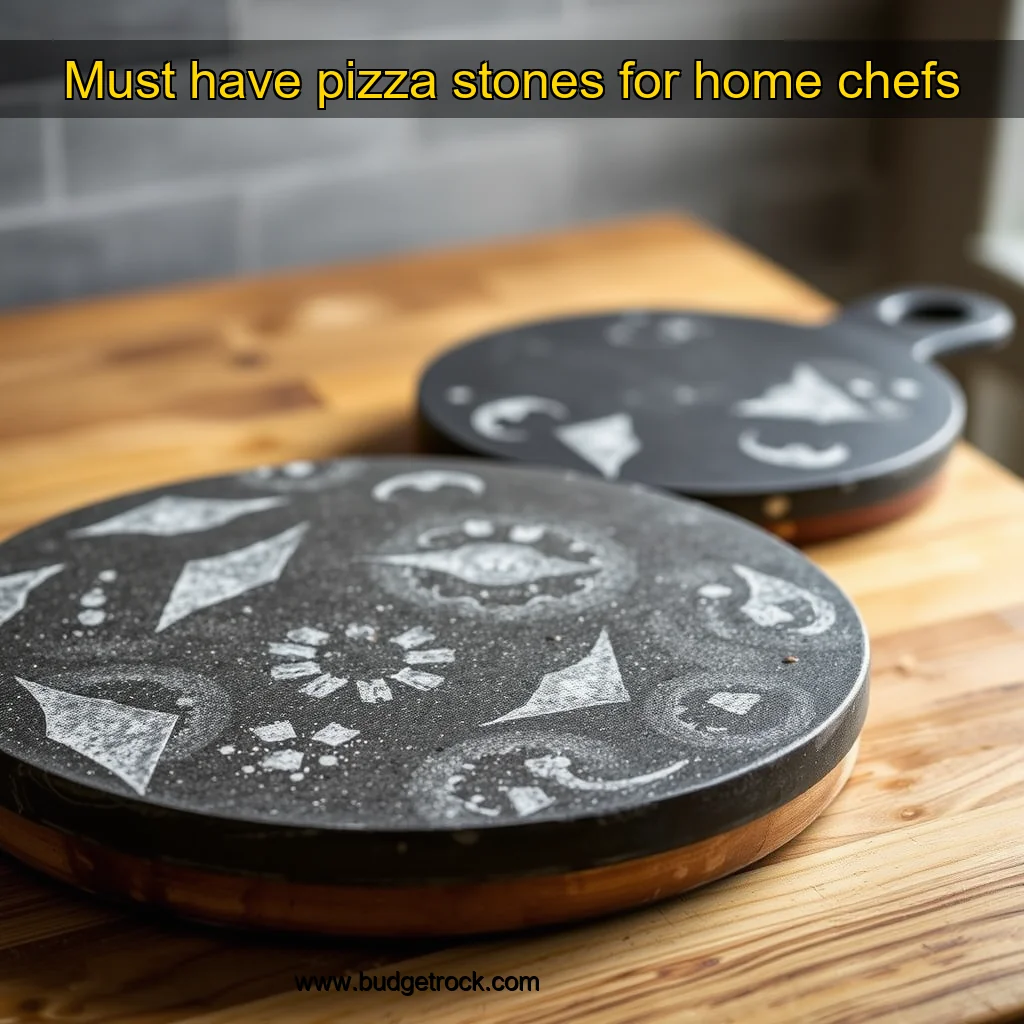
A pizza stone is essentially a porous material that absorbs heat from the oven. This heat is then transferred to the pizza, cooking it evenly and crisping the crust. The stone’s porous nature allows it to draw water out of the dough, resulting in a crust that’s both crispy and evenly cooked. The stone’s ability to absorb heat is due to its high thermal mass, which means it can store and release heat slowly. The stone’s porous structure allows for airflow, which helps to distribute heat evenly throughout the pizza. The stone’s material can also affect the flavor of the pizza, with some stones imparting a slightly sweet or smoky flavor to the crust.
Benefits of Using a Pizza Stone
Using a pizza stone can have several benefits for pizza enthusiasts. Some of the most significant advantages include:
This will help prevent thermal shock and ensure a crispy crust.
Preparing the Pizza Stone
Before you start making your pizza, it’s essential to prepare your pizza stone. Here are some steps to follow:
The Importance of a Hot Stone
A hot stone is crucial for achieving a crispy crust. Here are some reasons why:
Common Mistakes to Avoid
Here are some common mistakes to avoid when using a pizza stone:
Types of Pizza Stones
Ceramic and Stoneware
Ceramic and stoneware pizza stones are popular choices for home cooks and professional chefs alike. These stones are made from natural materials and are often glazed to enhance their durability and heat retention properties. Ceramic and stoneware stones are ideal for cooking pizzas with a crispy crust and well-cooked toppings. Key benefits: + Heat retention: Ceramic and stoneware stones can retain heat for a long time, ensuring that your pizza cooks evenly. + Durability: These stones are made from natural materials and can withstand high temperatures. + Easy to clean: Ceramic and stoneware stones are easy to clean and maintain.
Granite and Marble
Granite and marble pizza stones are another popular choice for pizza enthusiasts. These stones are made from natural materials and are known for their heat conductivity and durability. Granite and marble stones are ideal for cooking pizzas with a crispy crust and well-cooked toppings.
Silica: This is a common mineral found in sand and quartz. Graphite: This is a soft, slippery substance that can be used as a lubricant.
The Science Behind Heat Resistance
Heat resistance is a critical property in various industries, including manufacturing, construction, and even cooking. Different materials exhibit varying degrees of heat resistance, making it essential to understand the science behind this phenomenon.
Understanding Heat Transfer
Heat transfer occurs through conduction, convection, and radiation. Conduction involves direct contact between particles, while convection involves the movement of fluids. Radiation is the transfer of heat through electromagnetic waves. Conduction is the most efficient method of heat transfer, but it requires direct contact between particles. Convection is less efficient than conduction but can occur in fluids, such as air or water. Radiation is the least efficient method of heat transfer but can occur through electromagnetic waves.
Materials with High Heat Resistance
Several materials exhibit high heat resistance, including:
Cast Iron
Cast iron is a heavy metal alloy that can withstand extremely high temperatures. However, it has a critical limitation: it should not be heated beyond 400 degrees Fahrenheit. If heated beyond this temperature, cast iron can become brittle and prone to cracking. Cast iron is often used in cookware, such as pots and pans, due to its heat resistance. However, it can be heavy and difficult to handle.*
Cordierite
Cordierite is a mineral that is extremely durable and can absorb massive amounts of heat. It is often used in high-temperature applications, such as in the production of ceramics and refractories. Cordierite is a type of silicate mineral that is composed of silicon and aluminum.
Here are some general price ranges for pizza stones:
Price Ranges for Pizza Stones
Choosing the Right Size
When selecting a pizza stone, it’s essential to consider the size of the stone in relation to the size of the pizzas you plan to cook. A smaller stone may be sufficient for cooking smaller pizzas, while a larger stone can accommodate larger pizzas. Consider the type of pizza you plan to cook: if you’re making thin-crust pizzas, a smaller stone may be sufficient, while thicker crust pizzas may require a larger stone. Think about the cooking surface area: a larger stone provides more surface area for cooking, which can result in a crisper crust.*
Material Quality
The quality of the materials used to make the pizza stone can also impact its price. Here are some common materials used to make pizza stones:
The Science Behind Heat Transfer
When a pizza stone is heated, it absorbs heat from the grill or oven and transfers it to the pizza. This process is known as heat transfer. There are three main types of heat transfer: conduction, convection, and radiation. Conduction occurs when heat is transferred through direct contact between particles. Convection occurs when heat is transferred through the movement of fluids. Radiation occurs when heat is transferred through electromagnetic waves. In the case of a pizza stone, conduction is the primary method of heat transfer.
The Cuisinart Pizza Stone is a great option for those who want to achieve a crispy crust and well-cooked toppings.
Introduction
The world of pizza making has evolved significantly over the years, with various techniques and tools emerging to help home cooks achieve restaurant-quality results. One of the most effective tools in this pursuit is the pizza stone. A pizza stone is a flat, heat-conductive surface that distributes heat evenly, allowing for a crispy crust and well-cooked toppings. In this article, we’ll explore two popular pizza stones, the Cuisinart Pizza Stone and the Honey-Can-Do Old Stone Rectangular Baking Stone, and discuss their unique features and benefits.
Cuisinart Pizza Stone
Key Features
The Cuisinart Pizza Stone is an excellent choice for home cooks who want to achieve a crispy crust and well-cooked toppings without breaking the bank. Its affordable price point makes it an attractive option for those who are new to pizza making or want to experiment with different recipes.
It’s also too heavy for some users to easily maneuver.

news is a contributor at BudgetRock. We are committed to providing well-researched, accurate, and valuable content to our readers.