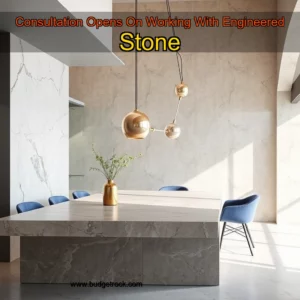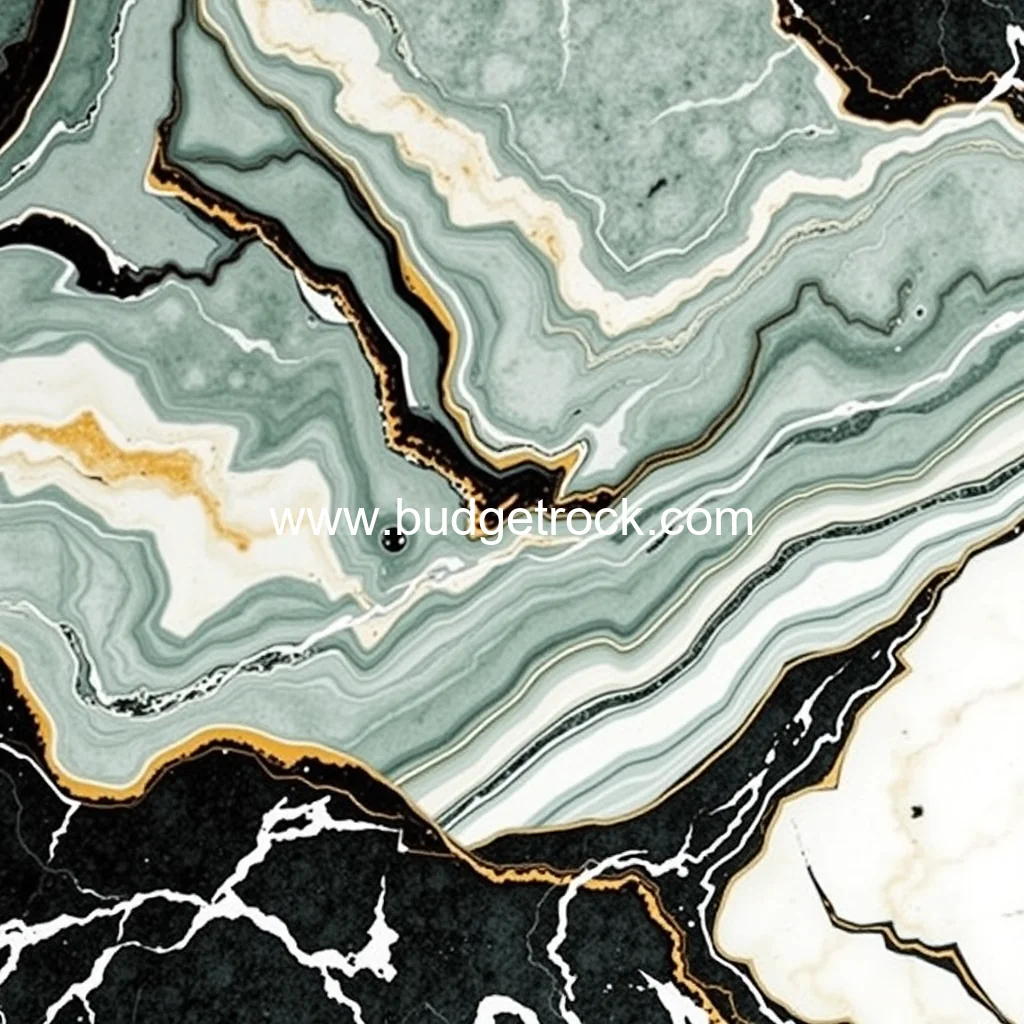
Its unique properties make it an attractive alternative to traditional materials like granite, marble, and natural stone.
What is Artificial Marble? Artificial marble, also known as engineered stone, is a manufactured material composed of a combination of natural minerals, resins, and other additives.
Artificial marble is commonly used in flooring, countertops, and other decorative elements in homes and public spaces.
Types of Artificial Marble
Artificial marble comes in a variety of styles and colors, each designed to replicate the look of natural marble. Some popular types include:
Benefits of Artificial Marble
Artificial marble offers several benefits over natural marble, including:
Applications of Artificial Marble
Artificial marble is used in a variety of applications, including:
The industry is also seeing a shift towards more sustainable and eco-friendly practices, with the use of recycled materials and energy-efficient manufacturing processes.
The Rise of Artificial Marble
The artificial marble market has experienced significant growth in recent years, driven by increasing demand for sustainable and eco-friendly building materials. As consumers become more environmentally conscious, they are seeking alternatives to traditional natural stone, which often requires significant resources and energy to produce.
Key Benefits of Artificial Marble
This has led to a proliferation of artificial marble in various applications, from countertops to flooring and even decorative accents.
The Rise of Artificial Marble
Artificial marble has gained significant traction in recent years, driven by its versatility, durability, and aesthetic appeal. The rise of digital printing and mixing technologies has enabled manufacturers to produce high-quality, custom designs that were previously impossible to achieve with traditional marble.
Key Benefits of Artificial Marble
Eco-Friendly or Eco-Imitation? The production process of artificial marble involves significant environmental concerns.
However, the production process of artificial marble involves significant environmental concerns.
The Rise of Artificial Marble
Artificial marble has gained popularity in recent years due to its aesthetic appeal and perceived eco-friendliness.
One such example is the implementation of LED lighting in manufacturing facilities.
The Rise of Sustainable Manufacturing
The demand for environmentally friendly products has led to a surge in the production of artificial marble. As a result, manufacturers are under pressure to adopt sustainable practices that minimize their ecological footprint. This shift towards sustainability is driven by growing consumer awareness and the need to reduce greenhouse gas emissions.
Key Drivers of Sustainable Manufacturing
Case Study: LED Lighting in Manufacturing
A leading manufacturer of artificial marble, XYZ Corporation, has implemented LED lighting in their production facility.
Here are some of the artificial marble’s new uses:
Artificial Marble: A Versatile Material for Modern Applications
Artificial marble has long been a popular choice for homeowners and designers due to its affordability and realistic appearance. However, its uses extend far beyond the realm of interior design. In recent years, artificial marble has been finding new applications in various sectors, including construction, automotive, and even aerospace.
Construction and Architecture
Artificial marble is being used in construction and architecture to create realistic and durable surfaces. Its ability to mimic the appearance of natural stone, such as marble, granite, and travertine, makes it an attractive option for builders and architects. Some of the benefits of using artificial marble in construction include:
Automotive
Artificial marble is also being used in the automotive industry to create realistic and durable surfaces. Some of the benefits of using artificial marble in automotive applications include:
Artificial marble is made from a combination of materials, including recycled plastic and natural stone.
The Rise of Artificial Marble in Home Furniture
The use of artificial marble in home furniture is a relatively new trend. However, its popularity is growing rapidly due to its unique combination of style, durability, and sustainability.
Benefits of Artificial Marble
Rapid urbanization and infrastructure development drive growth in Asia-Pacific artificial marble market.
The region is home to many large cities, including Tokyo, Seoul, and Hong Kong, which are experiencing rapid urbanization and infrastructure development. This has led to an increased demand for artificial marble, which is used in various applications such as flooring, countertops, and wall coverings.
The Rise of Artificial Marble in Asia-Pacific
The artificial marble market in Asia-Pacific is expected to experience significant growth in the coming years, driven by the region’s rapid urbanization and infrastructure development. The region’s booming construction and real estate industries have created a high demand for artificial marble, which is used in various applications such as flooring, countertops, and wall coverings.
Key Drivers of Growth
Applications of Artificial Marble
Artificial marble is used in various applications, including:
The market is expected to grow at a compound annual growth rate (CAGR) of 7.2% from 2023 to 2028, driven by increasing demand for luxury and decorative items.
The Artificial Marble Market: A Growing Industry
The artificial marble market is expected to experience significant growth in the coming years, driven by increasing demand for luxury and decorative items. This growth is expected to be driven by several factors, including the rise of the middle class in emerging markets, the increasing popularity of luxury goods, and the growing demand for decorative items in the residential and commercial sectors.
Key Drivers of Growth
Regional Breakdown
The artificial marble market is expected to see significant growth in several regions, including Brazil, Mexico, the UAE, and Saudi Arabia.
Both companies have been at the forefront of innovation in the industry, pushing the boundaries of what is possible with artificial marble.
The Rise of Artificial Marble
Artificial marble has become increasingly popular in recent years, driven by its unique combination of durability, versatility, and aesthetic appeal. This has led to a surge in demand for high-quality artificial marble products, with both Cosentino and LG Hausys at the forefront of this trend.
The Rise of Artificial Marble and Quartz Stone Surfaces
The demand for artificial marble and quartz stone surfaces has been on the rise in recent years, driven by their increasing popularity in various industries, including construction, interior design, and architecture. This trend is expected to continue, with the global market projected to grow significantly in the coming years.
Key Drivers of the Market
Several factors have contributed to the growing demand for artificial marble and quartz stone surfaces. Some of the key drivers of the market include:
Benefits of Artificial Marble and Quartz Stone Surfaces
Artificial marble and quartz stone surfaces offer several benefits over natural stone surfaces. Some of the key advantages include:
Raw Material Costs Drive Artificial Marble Production Costs and Competition.
The Impact of Raw Material Costs on Artificial Marble
The price of key raw materials, such as marble dust, resin, and pigments, can significantly affect the cost of artificial marble production. These costs can fluctuate due to various factors, including changes in global demand, supply chain disruptions, and shifts in market trends. As a result, manufacturers may need to adjust their production costs and pricing strategies to remain competitive in the market.
Factors Affecting Raw Material Costs
Competition from Other Engineered Stone Materials
Artificial marble faces competition from other engineered stone materials, such as quartz and porcelain. These materials may offer superior durability and aesthetic appeal, making them more attractive to consumers.
Eco-Friendly Materials and Production Methods Drive the Rise of Personalized Artificial Marble Products.
The industry will see a shift towards eco-friendly materials and production methods.
The Rise of Personalized Artificial Marble Products
The world of artificial marble is undergoing a significant transformation, driven by the increasing demand for personalized, tailor-made products. Consumers are no longer satisfied with mass-produced, generic items; instead, they crave unique, bespoke pieces that reflect their individuality. This shift in consumer behavior has led to a surge in demand for customized artificial marble products, which are being designed and manufactured to meet specific customer needs.
Key Drivers of the Trend
Several factors are contributing to the rise of personalized artificial marble products:

news is a contributor at BudgetRock. We are committed to providing well-researched, accurate, and valuable content to our readers.