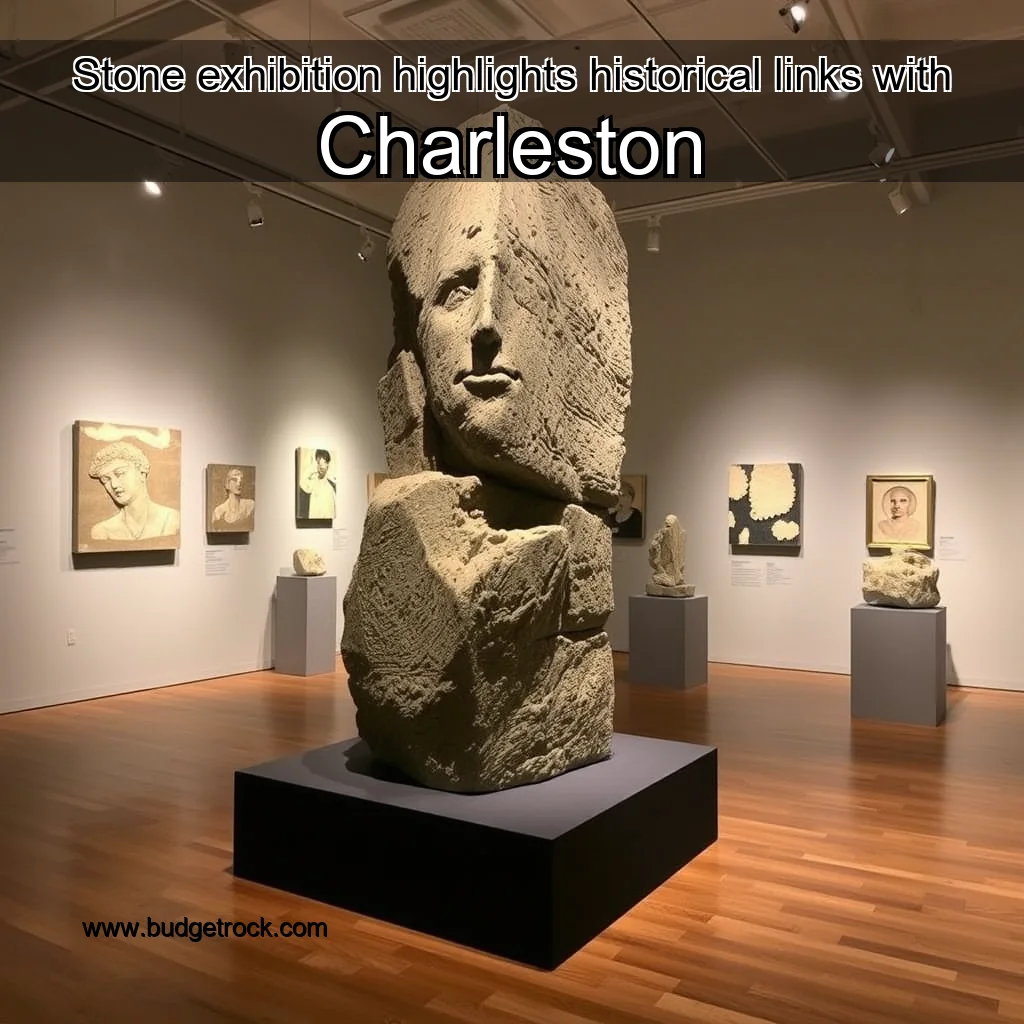
The exhibition, titled “Bermuda Stone: A Legacy of Craftsmanship,” is a celebration of the island’s unique building material and its enduring impact on architecture.
The History of Bermuda Stone
Bermuda stone, also known as “Bermudian limestone,” is a type of sedimentary rock that has been quarried on the island of Bermuda for centuries.
The house is a testament to the skill and craftsmanship of the builders, who used a combination of traditional techniques and innovative methods to create a structure that has stood the test of time.
The History of the Commissioner’s House
The Commissioner’s House was built during the British colonial era, specifically between 1823 and 1827. This was a time of great change and growth for the island of Bermuda, as the British government was establishing its presence and expanding its influence. The house was constructed to serve as the official residence of the British Commissioner, who was responsible for overseeing the administration of the island.
The Architecture of the Commissioner’s House
The Commissioner’s House is a prime example of Georgian architecture, characterized by its symmetrical facade, classical details, and ornate decorations. The house features a central front door, flanked by two smaller doors, and a symmetrical arrangement of windows and shutters. The exterior walls are made of Bermuda stone, which provides excellent durability and resistance to weathering. The use of Bermuda stone was a deliberate choice by the builders, who recognized its unique properties and benefits. The stone’s hardness and density made it an ideal material for building a structure that would withstand the harsh tropical climate of Bermuda.
The Exhibition: A Journey Through Time
The exhibition, titled “A Charleston Renaissance,” is a unique blend of art, architecture, and history that showcases the city’s rich cultural heritage. The show is a culmination of years of research and collaboration between John Gardner, architect and artist, and the NMB curatorial team, led by Deborah Atwood.
The Concept Behind the Exhibition
The exhibition is centered around the idea of a “Charleston Renaissance,” a period of cultural and artistic rebirth that took place in the city during the late 19th and early 20th centuries. This era saw a surge in creative expression, with artists, architects, and writers contributing to the city’s vibrant cultural scene. Key themes explored in the exhibition include: + The intersection of art and architecture + The role of women in the arts + The impact of urbanization on the city’s cultural landscape
The Exhibition’s Layout and Design
The exhibition is divided into several sections, each showcasing a different aspect of the Charleston Renaissance.
His work is characterized by a sense of balance and harmony, which is achieved through the careful selection of materials and the thoughtful application of color and texture.
The Artistic Vision of Gardner
Gardner’s artistic vision is deeply rooted in his passion for nature and the world around him. He draws inspiration from the natural world, often incorporating elements of the landscape into his work. This is evident in his use of color, which is often reminiscent of the natural world – earthy tones, blues, and greens that evoke a sense of calm and serenity. Key elements of Gardner’s artistic vision include: + A focus on natural forms and patterns + The use of earthy tones and natural materials + A sense of balance and harmony in his compositions
The Evolution of Gardner’s Style
Over time, Gardner’s style has evolved significantly, reflecting his growth as an artist and his increasing confidence in his abilities.
The Art of Gardner’s Triptych
Gardner’s Triptych is a collection of 24 charcoal drawings that showcase his unique style and technique. The series is divided into two main parts: nine drawings based on Bermuda and 15 based on Charleston. This dichotomy highlights Gardner’s fascination with the two cities and their distinct architectural styles.
The Inspiration Behind the Triptych
Gardner’s inspiration for the Triptych is rooted in his love for both Bermuda and Charleston. He has stated that he was drawn to the unique charm of each city, with its rich history and cultural heritage.
The Exhibition: A Journey Through Time and Space
The exhibition, titled “Cosmic Odyssey,” is a comprehensive and visually stunning journey through the universe, exploring the mysteries of space and time. The exhibition is divided into several sections, each focusing on a different aspect of the cosmos, from the formation of galaxies to the search for extraterrestrial life.
The Formation of Galaxies
The first section of the exhibition delves into the formation of galaxies, showcasing stunning visuals and interactive displays that illustrate the complex processes involved in the creation of these celestial bodies.
• The National Museum of Bermuda is open every day except December 25. From 9am to 5pm weekdays and from 9.30am to 5pm on weekends

news is a contributor at BudgetRock. We are committed to providing well-researched, accurate, and valuable content to our readers.